

How often should you shower? Dermatologists do not all give the same number. Some say once a day is a sensible default for most adults, others say a few times a week is plenty unless you are sweaty or grimy. What most of them agree on is that how you shower matters as much as how often: water temperature, time under the water, where you use soap, and what you do right after you step out.
The Short Answer
There are two reasonable views, and both come from physicians:
- Once a day. Cleveland Clinic dermatologist Shilpi Khetarpal, MD, recommends showering at least once a day, to rinse off the allergens everyone comes into contact with, along with the sweat and bacteria skin collects. She also says it is fine to skip a day here and there, and to shower twice on days you need it.
- A few times a week. Harvard Health Publishing's Robert H. Shmerling, MD, writes that there is no ideal frequency and that experts suggest showering several times a week is plenty for most people, unless you are grimy, sweaty, or have another reason to shower more often.
Whichever rhythm you choose, the advice on technique lines up: warm water rather than hot, a short shower, a gentle fragrance-free cleanser where you need it, a gentle pat dry, and moisturizer soon after.
Do You Need to Shower Every Day?
Not always. Dr. Khetarpal describes once a day as the general guideline most people follow to stay fresh, and calls it a guideline rather than an iron-clad rule. In Cleveland Clinic's guide on shower frequency, she lists the things that tend to set the number for each person:
- Your plans for the day, such as work, school, or an event.
- Your activity level. A run, a day of housework, or a physical work shift usually calls for a shower.
- The weather. Hot days may call for extra showers, while cooler weather may make it easier to skip a day.
- Your skin. Oiliness, dryness, or sensitivity can push you toward showering more or less often.
- Medical instructions. After surgery, you may be told to keep an incision dry for a few days.
- Water. Conservation efforts or limited access may mean skipping a shower now and then.
Dr. Shmerling makes the case for showering less. He notes that healthy skin keeps a layer of oil and a balance of normal bacteria, and that washing and scrubbing, especially with hot water, removes them. That can leave skin dry, irritated, or itchy, and dry, cracked skin is easier for bacteria and allergens to get through. He also points out that a daily shower uses a lot of water and that how often people bathe varies widely from country to country, which suggests habit plays a big part.
The two views overlap more than they seem to. Both say to shower when you are sweaty or dirty, both warn against long, hot showers, and both focus soap on the areas that need it.
Reasons to Shower More Often
Cleveland Clinic's guide gives several good reasons to keep showers regular:
- Body odor. Sweat, natural oils, and dead skin cells build up during the day, and bacteria feed on them. Armpits, feet, and the groin are especially prone to odor because they stay warm and have many sweat glands.
- Germs. Washing with soap and water can remove bacteria and viruses picked up during the day, for the same reason handwashing helps.
- Skin health. Dr. Khetarpal says regular washing can help limit acne, dandruff, and eczema flare-ups.
- Products on your skin. A shower removes deodorant, makeup, and sunscreen before you apply anything new.
- Swimming. In a Cleveland Clinic podcast on shower frequency, Dr. Khetarpal mentions that swimmers may want to get chlorine off their skin.
Signs You May Be Showering Too Much
Dr. Khetarpal puts it simply: showering can be drying. Showering too often may strip moisture from your skin and weaken its natural barrier, which can lead to irritation or sensitivity. Signs that your skin might need a break, according to Cleveland Clinic:
- Dryness
- Itchiness
- Irritation
- Scaling, or skin that looks dry and cracked
If you notice these, look at your routine before you add more products. Shorter showers, cooler water, and less soap on areas that do not need it are the changes Dr. Khetarpal and the American Academy of Dermatology suggest. The American Academy of Dermatology notes that some older adults may find they do not need to bathe every day, and that keeping baths and showers short helps with dry skin.
Is It Bad to Shower Twice a Day?
Not necessarily. Dr. Khetarpal says some days may call for more than one shower. If you shower more than once a day, her advice is to use soap in just one of those showers, so the extra rinse does not dry out your skin. If your skin is sensitive or prone to eczema, she says soap only needs to go on the face, armpits, and groin. People with normal skin can use soap all over.
How to Shower Without Drying Out Your Skin
These steps come from Cleveland Clinic dermatologists and the American Academy of Dermatology:
- Turn down the heat. Dr. Khetarpal says the water should be warm, but not too hot, because very hot water can dry out skin and make it itchy.
- Keep it short. Dr. Khetarpal suggests keeping showers under five minutes. The American Academy of Dermatology and Cleveland Clinic dermatologist Alok Vij, MD, both give a range of five to 10 minutes. Either way, a long, steamy shower is the one to cut back.
- Use soap where you need it. Dr. Khetarpal says the areas you consistently need to wash are your face, armpits, and groin. For dry skin, the academy suggests using enough cleanser to remove dirt and oil, but not so much that you see a thick lather.
- Pick a gentle, fragrance-free cleanser. Cleveland Clinic advises skipping scented soaps and looking for labels such as "gentle cleanser" or "for sensitive skin." The American Academy of Dermatology recommends products labeled "fragrance-free," since "unscented" products can still contain chemicals that mask odors.
- Go easy on scrubbing tools. The academy warns that a buff puff or bath brush can irritate skin, and suggests washing with a soft cloth instead.
- Shave at the end. The academy suggests shaving at the end of your shower or bath, when water has softened the skin and hair. For a full routine, see How to Shave Your Underarms and Bikini Line Without Razor Burn.
- Pat dry. Dr. Khetarpal warns that rubbing with a towel creates friction that can dry out skin, and the academy suggests patting gently with a clean, dry towel.
- Moisturize while skin is still damp. The academy recommends applying a fragrance-free moisturizer right after you pat dry, and notes that creams and ointments add more moisture than lotions.
If you prefer baths, Dr. Khetarpal says the same advice applies. She suggests avoiding bubble bath and other heavily fragranced products, and rinsing off afterward if you do use bubbles or a bath bomb.
Do You Need to Wash Your Hair Every Time You Shower?
No. Cleveland Clinic's guide says shampooing every other day typically keeps the scalp healthy, with more frequent washing if your hair is oily and less if it is dry. Dr. Shmerling adds that there is no compelling reason to wash your hair twice in one shower, despite the "lather, rinse, repeat" directions on many bottles. If your scalp is easily irritated, Fragrance-Free Shampoo for Sensitive Scalps: A Buyer's Checklist covers what to look for on a label.
Is It Better to Shower in the Morning or at Night?
Dr. Vij says there is no single right answer for everyone, and that it comes down to personal preference. In Cleveland Clinic's article on morning and evening showers, he describes the tradeoffs:
- Morning showers wash off the sweat and skin cells left from your bed, help you feel awake, and clear off yesterday's makeup before you put on sunscreen for the day.
- Evening showers rinse off the day's grime, pollutants, and sunscreen, and can be part of a wind-down routine before sleep.
He adds that for people with sensitive skin, gentle cleansers and moisturizers matter more than the time of day. If you are not sure, Dr. Vij suggests trying the opposite habit for a week and seeing how you feel.
Showering After a Workout
A workout is one of the clearest reasons to shower. In its tips on workouts and acne, the American Academy of Dermatology suggests considering a shower right after exercise, since it may rinse away bacteria that can cause breakouts. The academy recommends a mild, oil-free cleanser applied with your fingertips and rinsed with warm water, because rubbing and hot water can make acne flare. If you cannot shower right away, it suggests changing out of your workout clothes.
If you swim, Dr. Khetarpal's point about rinsing chlorine off your skin is worth keeping in mind after a pool session. For chlorine in hair, see How to Get Chlorine Out of Hair: Clear Pool Residue and Green Tint.
Where a Cleansing Bar Fits
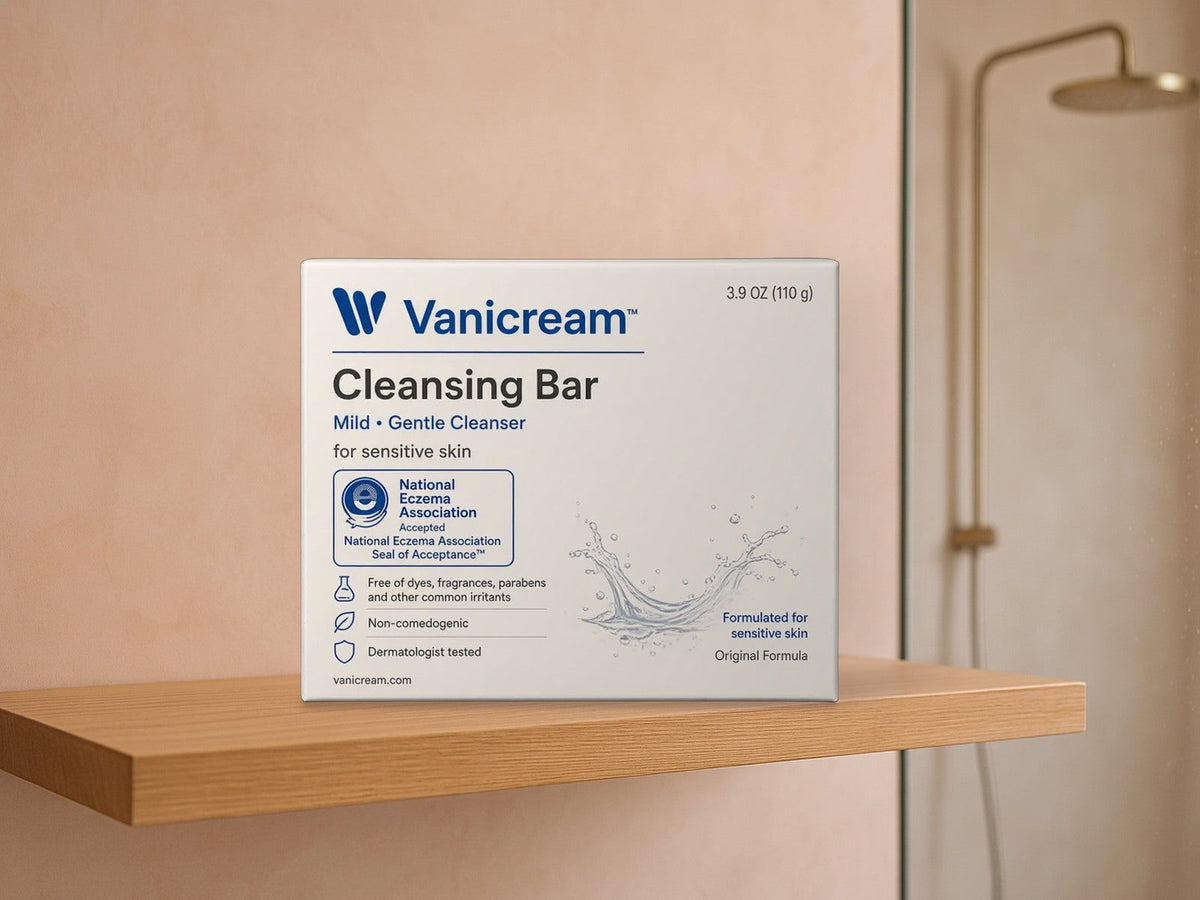
A gentle bar can cover the face, armpits, and groin routine above without a shelf of separate washes. We carry the Vanicream Cleansing Bar. Vanicream describes it as a mild cleansing bar for daily use on the face, hands, and body. The company says most of its surfactants are non-soap surfactants and that the bar contains its Vanicream Cream Base. Vanicream also says all of its cleansers are formulated without dyes, fragrance, masking fragrance, lanolin, parabens, and formaldehyde releasers.
That fits the fragrance-free, gentle-cleanser advice dermatologists give for regular showers. For more on how a cleansing bar differs from traditional soap, and on choosing a face wash, see:
- Cleansing Bar vs Soap: What Is the Difference for Sensitive Skin?
- Best Fragrance-Free Face Cleanser for Sensitive Skin: Bar vs Liquid
Browse more cleansers in Skincare.
FAQ
Is it OK to not shower every day?
For many people, yes. Dr. Shmerling writes that several showers a week is plenty for most people unless they are grimy or sweaty, and Dr. Khetarpal says skipping a day here and there is fine, though she advises against skipping too many. Shower on days when you have worked out, sweated, or gotten dirty.
How often should you shower in the winter?
Cleveland Clinic notes that cooler weather may make it easier to skip a day, and Dr. Khetarpal says a steamy shower may feel good in winter but overly hot water can dry and irritate skin. If your skin gets dry in cold months, the American Academy of Dermatology's dry skin tips apply: short, warm showers and moisturizer right after you pat dry.
Is it bad to shower with hot water?
Very hot water can pull moisture from your skin and leave it dry and itchy, according to Dr. Khetarpal. Dr. Shmerling also notes that washing with hot water removes more of the skin's natural oil. Warm water is the usual recommendation.
How long should a shower be?
Dr. Khetarpal suggests under five minutes. The American Academy of Dermatology and Dr. Vij say five to 10 minutes. Dr. Shmerling writes that a short shower of three or four minutes, focused on the armpits and groin, may be enough.
Do I need to use soap all over my body?
Not every day. Dr. Khetarpal says the areas that consistently need washing are the face, armpits, and groin. People with sensitive or eczema-prone skin can keep soap to those areas, while people with normal skin can use soap all over.
Should I shower after swimming?
It is a reasonable habit. Dr. Khetarpal mentions that swimmers may want to get chlorine off their skin. Use the same warm, short, gentle routine described above.
Find more skin and hair care guides in the Learning Center.
Disclaimer
Pure Supply Shop shares this guide as general skin care information. It is not medical advice. It does not diagnose, treat, cure, or prevent any disease. Cleansing bars are cosmetic products for washing skin. If you have a rash, persistent dryness or itching, a skin condition such as eczema or psoriasis, a wound, or recent surgery, follow your healthcare provider's instructions and talk with a dermatologist or other qualified healthcare professional before changing your routine. Stop using any product that causes irritation.


