

A pimple clears, a bug bite stops itching, or a scrape heals, and a flat brown or gray mark stays behind for months. Dermatologists call this post-inflammatory hyperpigmentation, or PIH for short, and it is the usual reason a dark spot outlasts the pimple that caused it. The mark is not a scar, and in many cases it fades. How long that takes depends on how deep the extra pigment sits in the skin and whether the thing that caused it keeps coming back.
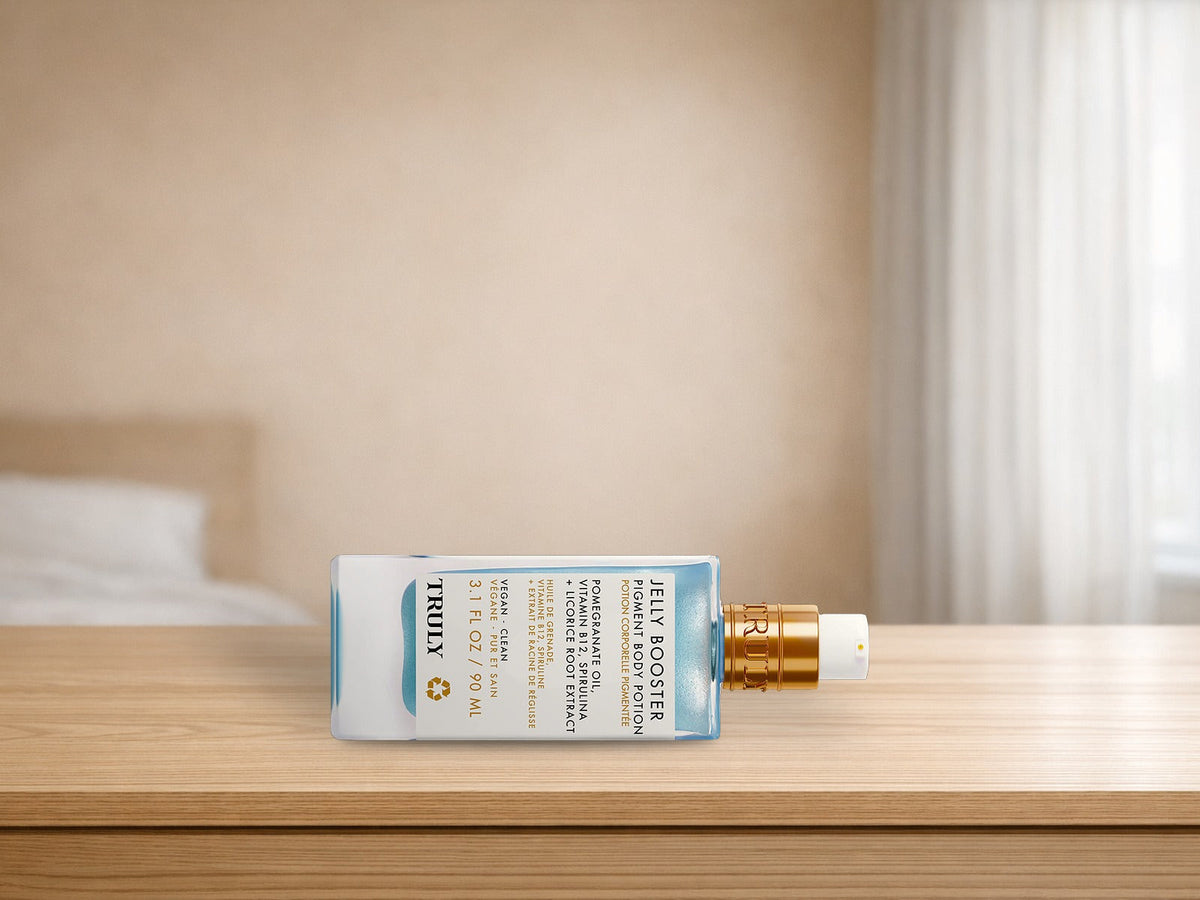
Want to shop first? See Truly Beauty Jelly Booster Serum, a body serum for after the shower.
The Short Answer
- Post-inflammatory hyperpigmentation is a flat dark spot or patch that appears where skin was inflamed or injured, such as after a pimple, an insect bite, a cut, or a burn, according to the American Academy of Dermatology (AAD).
- In a 2016 study of 324 acne patients seen by dermatologists in seven Asian countries, 58.2% had these marks, and the pigmentation often lasted a year or longer.
- In its guide for darker skin tones, the AAD says a spot a few shades darker than your natural skin color usually fades within 6 to 12 months once the cause is stopped, while color that sits deep in the skin can take years.
- Dermatologists start with treating the cause, daily sunscreen, and keeping hands off healing skin.
What Post-Inflammatory Hyperpigmentation Is
Skin gets its color from melanin, a pigment made by skin cells. Cleveland Clinic explains that when those cells are damaged, they can make too much melanin, and the extra pigment can clump, so that area looks darker than the skin around it. When the damage comes from an injury or inflammation, such as acne, a cut, or a burn, the result is called post-inflammatory hyperpigmentation.
The dermatology reference site DermNet describes the marks as temporary pigmentation at the site of the original problem after it has healed, ranging from light brown to black. They can happen in anyone, but they are more common in darker skin, where the color tends to be more intense and to last longer. When pigment ends up in the deeper layer of the skin, the dermis, the mark takes on a gray, purple, or brown hue. The AAD describes this deeper discoloration as often slate blue to gray.
What Causes the Marks
The AAD lists the everyday triggers. Dark spots and patches often appear when:
- A pimple or a patch of psoriasis clears.
- A wound from an insect bite, cut, burn, or other injury heals.
- You take or apply certain medications.
- A skin or hair care product irritates your skin.
If you think a medication is causing dark spots, the AAD advises against stopping it on your own. Ask the doctor who prescribed it whether discolored skin is a possible side effect.
Not every dark spot is PIH. Cleveland Clinic lists sun damage, hormone changes such as pregnancy, certain medications, and some medical conditions among other causes of hyperpigmentation, so a dermatologist is the right person to look at spots that appear without an obvious trigger. Dark-looking pores on shaved legs are a separate issue, covered in What Causes Strawberry Legs? A Shave and Care Routine for Smoother-Looking Legs.
What the Research Measured
The Asian Acne Board, an international group of dermatologists who study acne, looked at how often acne leaves these marks. In a study published in the Journal of Dermatology in 2016 (Abad-Casintahan and colleagues), they evaluated 324 consecutive acne patients in seven Asian countries. Most (80.2%) had mild to moderate acne, and 63% were women.
Of the 324 patients, 188 (58.2%) had PIH. The pigmentation was often long-lasting: at least a year for more than half of the patients, and five years or longer for 22.3%. Patients reported that the marks were often as bothersome as the acne itself, or more so. Picking and scratching at breakouts was commonly reported, and the authors called it a risk factor that patient education could potentially change.
An earlier survey of acne patients seen at a skin of color center in New York, published by Taylor and colleagues in the Journal of the American Academy of Dermatology in 2002, found acne-related PIH in 65.3% of African American patients (239 people), 52.7% of Hispanic patients (55 people), and 47.4% of Asian patients (19 people), as reported in a 2010 review by Davis and Callender in the Journal of Clinical and Aesthetic Dermatology.
Both studies looked at people who were already seeing a dermatologist for acne, so they do not show how common the marks are in everyone who gets a pimple. The Asian group in the 2002 survey was also small.
How Long Dark Marks Take to Fade
Once the cause is found and stopped, the AAD's guide for darker skin tones says a spot that is a few shades darker than your natural skin color will usually fade within 6 to 12 months. If the color lies deep in the skin, fading can take years. Treatment can speed up the process.
Cleveland Clinic notes that treatments themselves may take a few months or a year to work, and that new spots can appear over time, especially without sun protection.
What Dermatologists Recommend
The same 2010 review by Davis and Callender says treatment should start early and begins with managing the condition that caused the inflammation. The AAD and Cleveland Clinic add these steps:
- Treat the cause. For marks left by acne, eczema, or psoriasis, the AAD says to treat the skin condition first. When the breakouts or flare-ups stop, so does the source of new marks.
- Use sunscreen every day. The AAD says effective treatment begins with sunscreen and recommends a tinted, broad-spectrum, water-resistant sunscreen with SPF 30 or higher that contains iron oxide, which helps block visible light. Apply it to all skin that clothing will not cover, reapply every two hours and after swimming or sweating, and wear a wide-brimmed hat outdoors. DermNet notes that the patches may get darker with sun exposure.
- Keep your hands off. The AAD says picking, popping, scratching, or squeezing breakouts increases inflammation and raises the risk of infection and discoloration. Cleveland Clinic also advises against picking at pimples.
- Be gentle. Because an irritating product can trigger new dark spots, the AAD advises that if a product burns or stings when you apply it, stop using it.
Products That Fade Dark Spots
Once the cause is under control and your skin is protected from the sun, the AAD says a product that can even out skin tone tends to work better. For products you can buy without a prescription, it names azelaic acid, glycolic acid, kojic acid, retinoids (retinol, tretinoin, adapalene gel, or tazarotene), and vitamin C. If you plan to layer more than one active product, see Which Serums Should Never Be Used Together?
The AAD also warns that researchers have found steroids or mercury, not listed on the label, in some skin care products imported from other countries, and it says never to put liquid bleach on your skin. To protect your health, it recommends buying a product made in the United States or one your dermatologist recommends. For stubborn marks, a dermatologist can prescribe stronger treatment or combine treatments. If you have darker skin, the AAD advises seeing a dermatologist before trying chemical peels, microdermabrasion, or laser treatment, because even at-home versions can cause lasting dark or light spots.
Dark Mark or Acne Scar?
The AAD explains the difference simply: if you see a flat spot of color on your skin when acne clears, it usually is not a scar but PIH. An acne scar changes the surface of the skin, leaving a depression or a raised area. Its discoloration usually goes away over time, but the scar itself remains, and the AAD says acne scars rarely go away completely on their own.
According to Cleveland Clinic, about one in five people with acne develop scars. Raised scars, which form when the skin makes too much collagen while healing, are usually found on the chest, back, shoulders, and jawline. A dermatologist can help diminish scars, and the AAD says treating acne early and not picking at it can lower your risk.
When to See a Dermatologist
Cleveland Clinic advises seeing a healthcare provider, such as a dermatologist, if the skin around a dark spot is red, hot to the touch, itchy, painful, or leaking blood, pus, or other fluid. The AAD also suggests a dermatologist visit if the treatment you are using is not giving you the results you want, since some dark spots need prescription-strength treatment.
Where Jelly Booster Serum Fits
Truly Beauty Jelly Booster Serum is a body serum from Truly for after the shower. It is a cosmetic for how skin looks and feels, not a treatment for dark marks, so the steps above still come first. Follow the directions on the label.
For more on how a body serum fits into an after-shower routine, see Jelly Booster vs After-Shave Oil: Glow Serum or Glazed Finish?
FAQ
Do dark spots from pimples go away on their own?
Often, yes, but slowly. The AAD says that once the acne is treated, most dark spots fade on their own over time, usually within 6 to 12 months for spots a few shades darker than your skin. In the 2016 Asian Acne Board study, the marks lasted at least a year for more than half of the patients.
Why is my dark mark gray or bluish instead of brown?
The AAD says discoloration that lies deep in the skin is often slate blue to gray, and DermNet describes deeper pigment as gray, purple, or brown. Deeper marks can take years to fade, so a dermatologist visit is worth it.
Can bug bites leave dark spots?
Yes. The AAD lists healing insect bites among the common causes. It says the mark will fade in time if you do not re-injure the skin, which is one more reason not to scratch.
Does popping a pimple make the dark spot worse?
It can. The AAD says picking, popping, or squeezing increases inflammation in the skin and raises the risk of discoloration and scarring, and the 2016 study authors flagged picking as a risk factor for PIH.
Are skin-lightening creams sold online safe?
Not always. The AAD says researchers have found unlisted steroids or mercury in some imported skin care products and recommends buying a product made in the United States or one your dermatologist recommends.
Find more skin and body care guides in the Learning Center, or browse the Bodycare collection.
Disclaimer
Pure Supply Shop shares this guide as general skin care information. It is not medical advice. Body serums are cosmetic products for how skin looks and feels, and they are not intended to diagnose, treat, cure, or prevent any disease or skin condition. Patch-test new products, follow the directions on the label, and stop using any product that burns, stings, or causes irritation. Talk with a doctor or dermatologist about dark spots that appear without a clear cause or change quickly, about skin that is red, painful, itchy, or leaking fluid, and before stopping any medication you think may be causing discoloration. Ingredients and formulas can change, so check the product label.


