

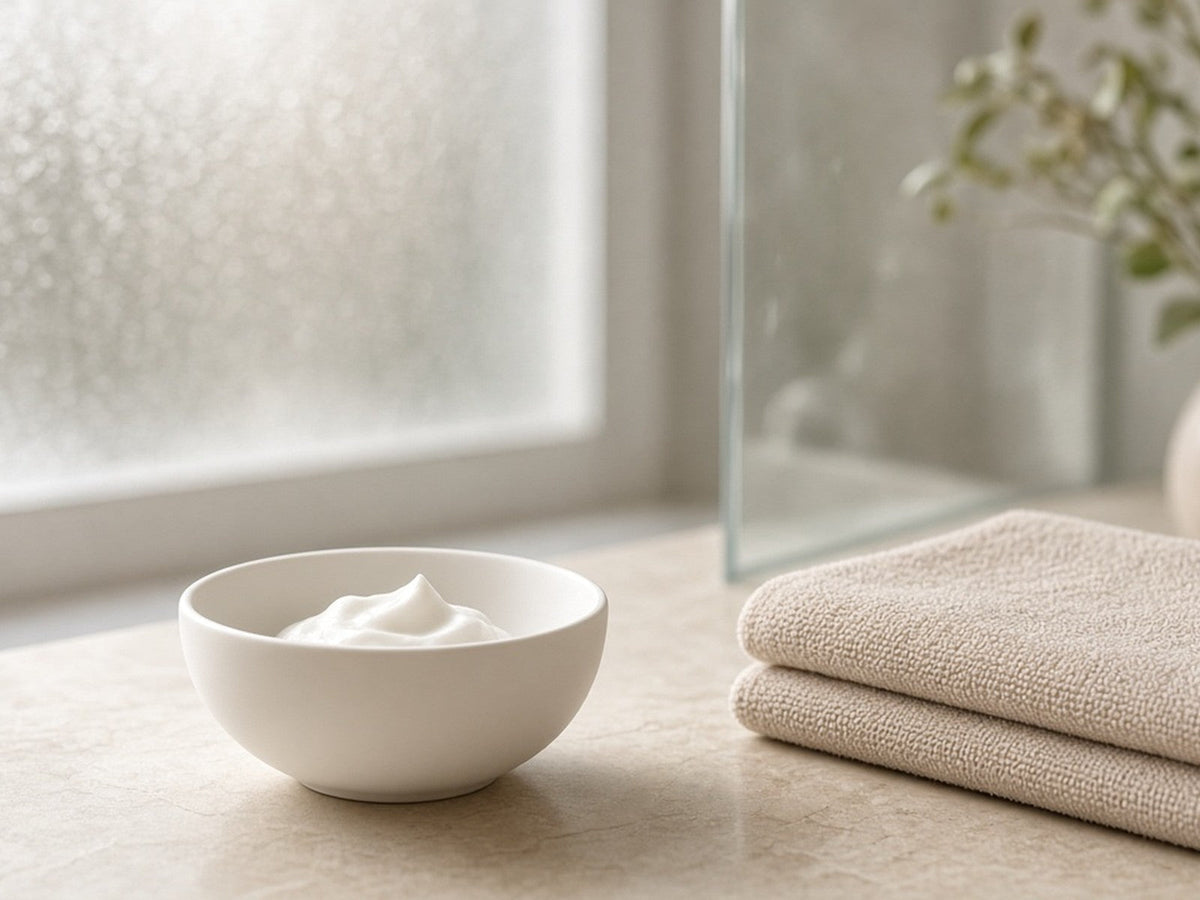
If shaving leaves you with tightness, stinging, or that familiar post-razor flush, you are probably hunting for the best shave cream for sensitive skin, not another heavily perfumed “spa” tub that feels nice for thirty seconds and complains for the rest of the day.
This guide compares two shopping paths: fragrance-free, minimalist shave creams built for tolerance, and luxury shave butters that lean into scent, texture, and a richer ritual. The goal is practical: help you match formula style to what your skin can actually handle. Shave creams and butters are for comfort and the look and feel of a smoother shave. They are not medicines, and they are not treatments for dermatitis, eczema, or other medical skin conditions.
Why Sensitive Skin and Shaving Clash
Shaving is mechanical stress. You are sliding a blade across skin while removing hair and some of the surface barrier along with it. Add hot water, aggressive technique, dull blades, and a fragranced formula, and reactive skin has plenty of reasons to protest.
Common comfort complaints after a shave include:
- Tightness or dryness
- Redness that lingers
- Stinging when products hit freshly shaved skin
- A “perfume hangover” on the face, underarms, bikini line, or legs
None of those automatically means you have a disease. They do mean your product extras and shave habits deserve a closer look. For many people, fragrance is the first variable worth simplifying.
Fragrance-Free Shave Cream: The Minimalist Case
A fragrance-free shave cream aims to do fewer things: cushion the blade, help the razor glide, and rinse without a perfume trail.
Why minimalist often wins for sensitive skin
- Fewer scent allergens and irritants: fragrance and parfum blends are frequent cosmetic triggers.
- Easier troubleshooting: short ingredient lists make it clearer what you tolerate.
- Daily-use practicality: if you shave often, a formula that stays out of the way matters more than a boutique scent.
- Layering freedom: you can add a separate moisturizer you already trust instead of inheriting a butter’s perfume profile.
What to look for on the label
- Clearly fragrance-free (not only “unscented,” which may still use masking scent)
- Dye-free when possible
- A short, readable ingredient list
- Free-of language that matches your personal avoid list (for example, certain common irritants you already know bother you)
- A texture that stays slippery through the pass without needing a heavy scent to feel “rich”
Who should start here
Choose fragrance-free first if:
- Perfumed products regularly sting or itch
- You are prone to razor burn and have already simplified your blades and technique
- You prefer clinical-quiet formulas over beauty-ritual packaging
- You want one reliable cream for face and/or body without competing notes
Vanicream Shave Cream 6oz is a straightforward, fragrance-free cream for people who want the shave, not the perfume department. It is currently out of stock.
Luxury Shave Butters: The Ritual Case (and the Tradeoffs)
Luxury shave butters are often richer, scented, and marketed around cloudlike texture. They appeal for different reasons. They can feel cushiony, photogenic, and more like self-care than “just shaving.”
Examples on the luxury side include rich, indulgent butters such as Truly Beauty Coco Cloud Luxury Shave Butter (currently out of stock) and Truly Beauty Glazed Donut Shave Butter. They illustrate the scented luxury butter style: indulgent texture and fragrance-forward experience.
Why people love butters
- Plush slip and a pampering feel
- Memorable scent (if you enjoy fragrance and tolerate it)
- A “treat” factor that makes the routine more enjoyable
- Body-shave appeal when you want something that feels dessert-level luxurious
Tradeoffs for sensitive skin
- Fragrance load: the feature is also the risk if you are scent-reactive.
- Harder isolation: if you react, was it the perfume, an extract, or the occlusive richness?
- Expectation mismatch: “luxury” does not automatically mean “gentler.”
- Not a medical fix: a butter will not treat dermatitis; it is still a cosmetic shave product.
Who might still choose a luxury butter
A scented butter can be a fit if:
- You know you tolerate fragrance well
- You want a richer sensory ritual and accept the ingredient complexity
- You are shopping for enjoyment first and have a backup minimalist cream if skin flares
- You prefer switching between a “special occasion” butter and a daily fragrance-free cream
If your skin is easily irritated, treat luxury butters as an occasional treat, not the default sensitive-skin recommendation. More gentle body-and-beauty picks live in our Beauty collection and Skincare collection.
Side-by-Side: Cream vs Butter for Sensitive Skin
| Factor | Fragrance-free shave cream | Luxury scented shave butter |
|---|---|---|
| Primary promise | Tolerance and glide | Ritual, rich texture, and scent |
| Fragrance | Typically avoided | Often central to the experience |
| Best for | Reactive, scent-sensitive, daily shavers | People who tolerate fragrance and want pampering |
| Troubleshooting | Easier (fewer variables) | Harder (more sensory ingredients) |
| Sensitive-skin starting point? | Usually yes | Usually only if fragrance is already known-safe |
| Example direction | Vanicream Shave Cream 6oz (currently out of stock) | Glazed Donut (Coco Cloud is currently out of stock) |
There is no universal winner: only a better match for your tolerance and priorities.
Technique Still Matters (Product Cannot Do Everything)
Even the best shave cream for sensitive skin works better with calmer habits:
- Start with a clean, lukewarm rinse: scalding water can leave skin more reactive.
- Use a sharp blade: dull razors tug; tugging feels like “product failure.”
- Shave with light pressure: let the cream create slip; do not mash the handle.
- Fewer passes when possible: re-lather instead of dry second strokes.
- Rinse thoroughly: leftover product can feel like irritation later.
- Pat dry, then moisturize with a fragrance-free lotion you already tolerate if skin feels tight. The same fragrance-free mindset applies on wash day: many people with sensitive skin also like Vanicream Shampoo for Sensitive Skin (currently out of stock) when fragrance elsewhere in the routine is a trigger. See also our guide, Fragrance-Free Shampoo for Sensitive Scalps: A Buyer's Checklist.
- Stop and reassess if you get severe pain, swelling, or weeping. That is clinician territory, not another tub swap.
This is comfort coaching for cosmetic shaving. It is not a treatment protocol for medical skin disease.
How to Choose in 60 Seconds
Ask yourself:
- Does fragrance bother me? If yes, start with a fragrance-free cream.
- Do I want daily quiet or occasional luxury? Daily quiet? Start with a minimalist cream. Occasional luxury? A butter, only if the scent sits well with you.
- Am I trying to reduce variables? Start minimalist; add ritual products later if skin stays comfortable.
- Am I reading marketing or the ingredient list? Always flip the bottle.
- Do I need a medical plan? Persistent rash, infection signs, or diagnosed dermatitis need professional care, not a stronger perfume.
Prioritize Tolerance, Then Texture
If sensitive, razor-reactive skin is your main issue, look for a label that stays quiet.
Vanicream Shave Cream 6oz and Truly Beauty Coco Cloud Luxury Shave Butter are currently out of stock. If you want a fragrance-free cream that focuses on the shave rather than a signature scent, look for that profile on the labels you compare. Prefer a richer, fragrance-forward butter experience and already tolerate perfume well? Compare a luxury butter like Truly Beauty Glazed Donut Shave Butter, then choose the formula your skin can actually live with day after day.
Quick FAQ
Is fragrance-free always better for sensitive skin?
Often, yes, for scent-reactive people. Sensitivity is personal, though. Surfactants, botanicals, and technique still matter.
Can shave cream treat dermatitis?
No. Cosmetic shave creams and butters are not treatments for dermatitis or other medical skin conditions. See a dermatologist or clinician for diagnosis and care.
Cream or butter for legs and body?
Either can work. If you are prone to irritation on larger areas, many people prefer starting fragrance-free, then testing richer butters only if tolerated.
How long should I trial a new shave product?
Give it several shaves with the same blade habits. Immediate burning or rash means stop. Subtle comfort changes are clearer over a short consistent trial.
Disclaimer
This content is for educational and informational purposes only and is not intended to diagnose, treat, cure, or prevent any disease or skin condition, including dermatitis, eczema, razor-related skin disorders, or allergic contact dermatitis. Shave creams and shave butters discussed here are cosmetic products for shaving comfort and the appearance and feel of skin after hair removal; they are not drugs or medicated treatments unless a specific product is labeled and regulated as such. Individual tolerance varies. Patch-test new products if you have a history of sensitivity, and consult a dermatologist or healthcare professional for persistent irritation, diagnosed skin conditions, or before changing a prescribed care plan. Pure Supply Shop does not provide medical advice.


